Recycling of Lead Acid Battery
99% of lead batteries are safely recycled in an established, coast-to-coast network of advanced recycling facilities.
Recycling of Lead Acid Battery
this is the beginning of a path that will improve international standards and guarantee that lead batteries remain a crucial enabling technology for the shift to a low-carbon future.
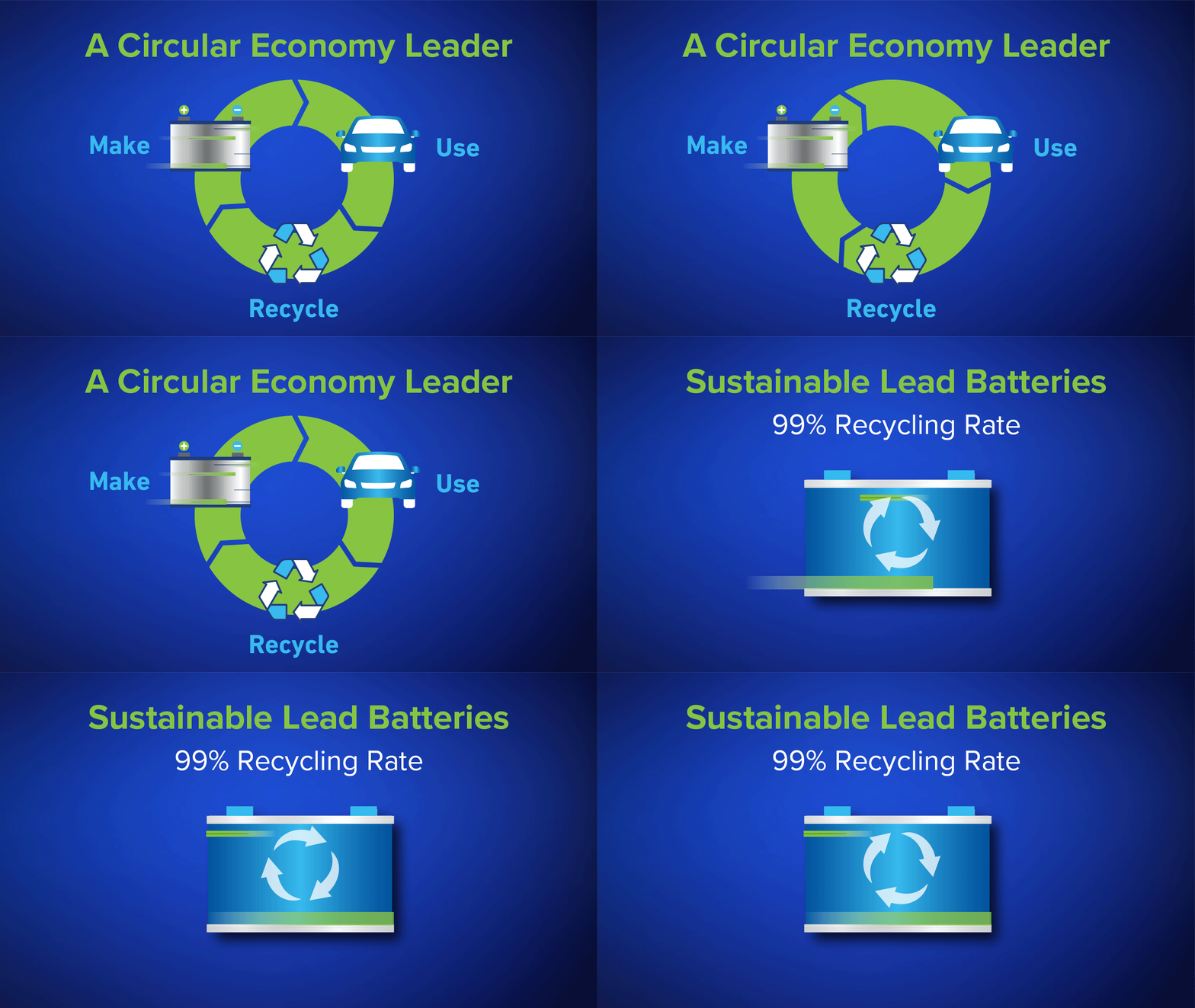
Recycling process and impact
Battery recycling involves collecting, sorting, and processing batteries to recover valuable materials.
Lead battery recycling
1
Collection
Batteries are collected from retail stores, service centers, and other locations.
2
Breaking
Batteries are broken into pieces using a hammer mill.
3
Separation
The broken pieces are separated into lead, heavy materials, and plastic.
4
Processing
The separated materials are processed to recover lead and other materials.
Uses for recycled materials
Lead
Used to make new battery plates, connectors, and posts
Plastic
Used to make new battery cases, rubbish bins, and plant pots
Sulfuric acid
Processed into sodium sulfate, which is used to make glass, textiles, laundry detergents, and fertilizers