Recycling of Nickel Cadmium Battery
Nickel-cadmium (NiCd) batteries are recycled through a multi-step process that involves heating, reactions, and distillation. The process is designed to achieve high purity and nearly zero emissions.
Recycling of Nickel Cadmium Battery
this is the beginning of a path that will improve international standards and guarantee that lead batteries remain a crucial enabling technology for the shift to a low-carbon future.
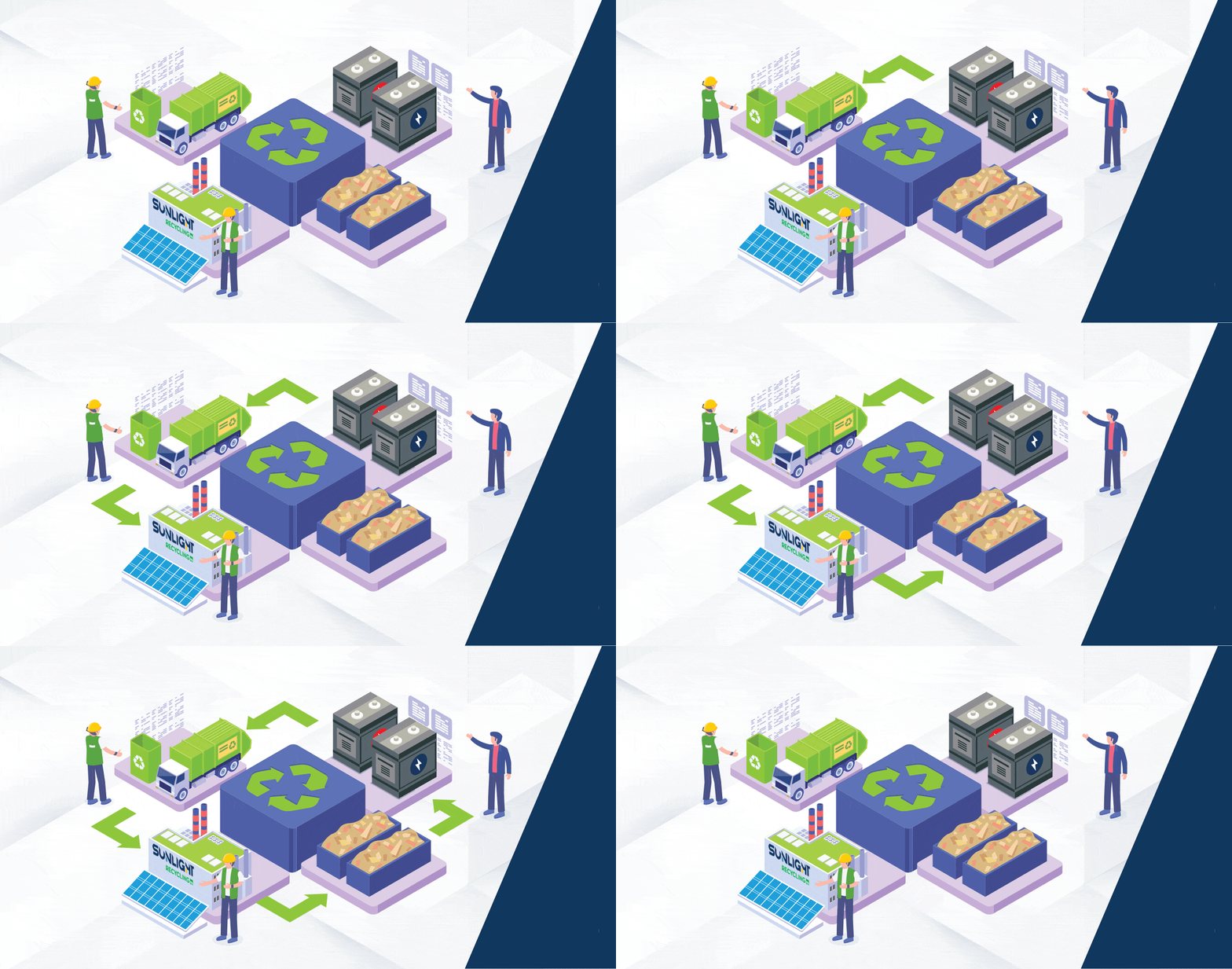
Recycling Batteries Process
Battery recycling involves collecting, sorting, and processing batteries to recover valuable materials.
Nickel Cadmium Battery
1
Smelting
Heats battery materials above melting point to separate metals.
2
Molten salt
Submerges batteries in a molten salt mixture to react organic materials with the salts.
3
Pyrometallurgy
A high-temperature process that reduces metal oxides to produce metals.
4
Hydrometallurgy
A process that recovers metals from battery materials.
Uses for recycled materials
Pyrometallurgy
The primary recycling method for Ni-Cd batteries, this process involves heating the batteries to high temperatures to recover cadmium and nickel.
Pyrolysis
This treatment removes organic components and plastics from the batteries. The resulting scrap metal is then smelted to make alloys.
Chlorination
The batteries are treated with chlorine or hydrochloric acid to form cadmium chloride. The mixture is then heated to distill the cadmium chloride. What's recovered